Performance marketing with clear goals
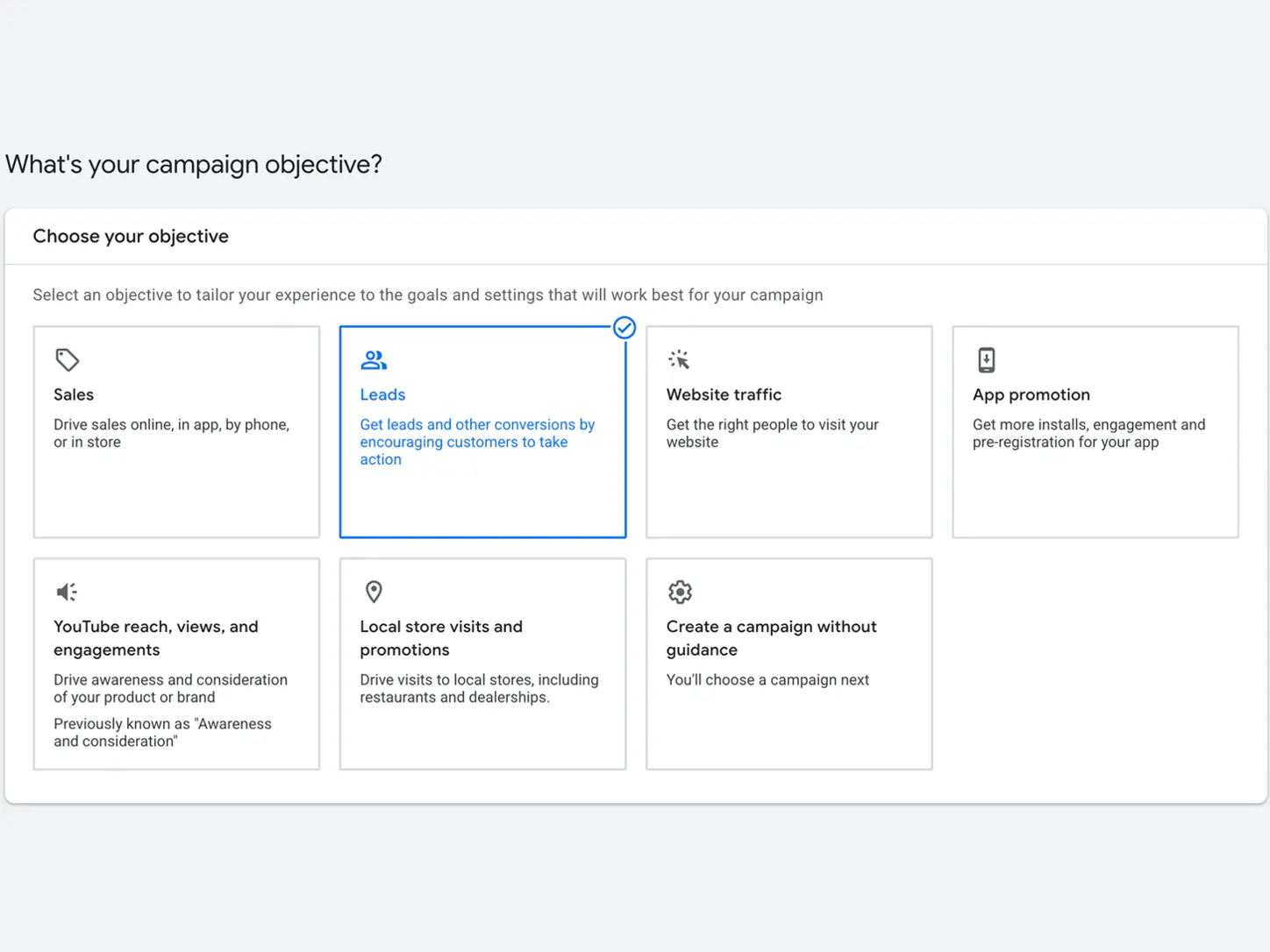
A campaign can generate plenty of activity without giving a business much clarity. There are impressions, clicks, reports and a growing list of things to adjust. We prefer to begin with a smaller question: what should this campaign help someone do, and what would make the result useful to the business?
Agree on the outcome first
Before choosing creative or discussing a channel, we describe the outcome in plain language. It could be a relevant enquiry, a booking or an order. We also ask what makes that outcome valuable. An enquiry that the team can answer and serve is different from an enquiry that was never a good fit.
This conversation shapes the campaign. It helps define the audience, the offer and the page someone will see after the click. It also gives the team a shared way to discuss progress without treating every rise in activity as an improvement.
We keep the first plan small enough to understand. A clear offer for a specific audience gives us a better starting point than a collection of unrelated messages aimed at everyone.
The team also needs a shared description of a relevant response. For a local service, that might include the kind of work requested and whether it falls within the service area. Writing this down helps the people running the campaign and the people handling enquiries judge the same result.
Connect the message to the page
The ad and the website are parts of one conversation. If the ad makes a specific promise, the landing page should pick it up immediately. People should not need to search for the service, the product or the next step they were just shown.
We review that journey as a whole. Is the offer clear? Does the page answer the obvious questions? Is the action easy to take on a phone? Are we asking for information that the team actually needs? These questions can reveal a more useful improvement than another variation of the same ad.
Creative still matters. We want a recognisable message and a reason to pay attention. But the creative should lead somewhere that makes sense once the initial attention has been won.
We read the message and the page together, using the same words a visitor sees. A familiar service name should stay familiar after the click. If the page suddenly introduces another description or asks for a different action, we make the connection clearer before adding more complexity to the campaign.
Turn reporting into decisions
A report should help the team decide what to keep, what to question and what to change. We prefer a small set of relevant measures with a clear explanation of what they can and cannot tell us. Numbers are easier to discuss when everyone understands the business question behind them.
We also ask what happens after the reported action. Are the enquiries relevant? Can the business respond promptly? What questions appear repeatedly? Feedback from the people handling the work gives context that a dashboard cannot supply on its own.
When we test a change, we write down what we expect it to improve. That makes the next conversation more useful. Instead of adjusting everything at once, we can learn from a specific change to the message, the page or the offer.
An unusual result deserves context before a conclusion. A change in availability, a delayed response or a different mix of enquiries can affect the experience after the click. Discussing those details with the team helps us avoid treating a campaign report as a complete picture of the business.
- Agree on the business outcome before choosing metrics.
- Match the campaign promise to the landing page.
- Change one thing at a time and learn from the result.
- Finish every review with a clear next action.
Make room for steady improvement
We would rather build a repeatable rhythm than chase constant novelty. Review the journey, discuss the results, choose a useful change and give it a fair chance to teach us something. The details of that rhythm depend on the business and the campaign.
Less noise does not mean less care. It means spending attention on the parts that connect the campaign to a useful result. A clear offer, a considered landing page and a team that understands the next step are a strong place to begin.
We keep a short record of the decisions behind each change. What did we expect, what did we observe and what should happen next? This gives the next review a useful starting point and helps the team build on what it has learned rather than repeating the same discussion.